Goal 2034: How Urban Local Bodies Can Forge India’s Next Sports Stars
Inspired by Amitabh Kant’s vision: “The athletes who will take India to the 2034 World Cup challenge are mostly between 12 to 20 years old today. This is the time for their development.”
The road to the 2034 FIFA World Cup and future Olympic glory does not begin in massive national stadiums; it begins in the neighborhood parks, municipal grounds, and local school yards. As former NITI Aayog CEO Amitabh Kant rightly points out, India needs an integrated system, robust scouting, and institutional stability.
While national federations and state governments focus on top-tier leagues and macro-policies, the actual implementation of grassroots development falls perfectly into the jurisdiction of Urban Local Bodies (ULBs)—Municipal Corporations, Councils, and Nagar Panchayats. Here is a blueprint for how ULBs can revolutionize the sporting ecosystem.
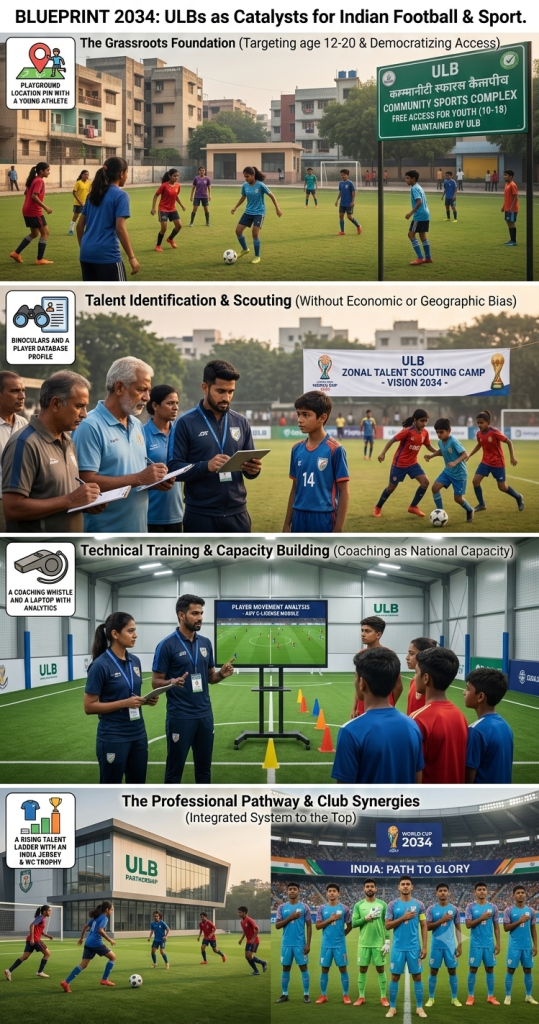
1. Democratizing Infrastructure: “Parks to Pitches”
Kant emphasizes the need for center and state governments to provide support for infrastructure and make playgrounds accessible to the public. ULBs control urban land and public parks.
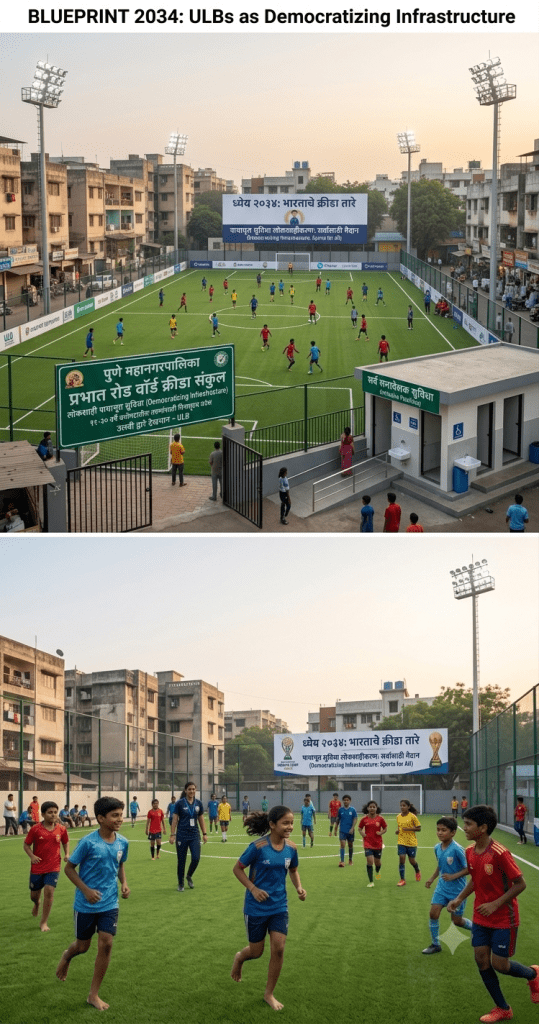
- Standardization: Identify at least one open space per municipal ward to be leveled and converted into a standard-size football pitch or multi-sport Olympic training ground.
- Floodlighting: Install energy-efficient LED floodlights. Indian summers dictate that peak training hours for youth are early mornings and late evenings.
- Subsidized Access: Ensure these grounds are free for local children and available at highly subsidized rates for recognized, non-profit sports academies.
2. Ward-Level Scouting & Youth Leagues
“Identification of talent should happen at an early age… without looking at their geographical or economic background.” ULBs can facilitate this by organizing localized, structured competitions.
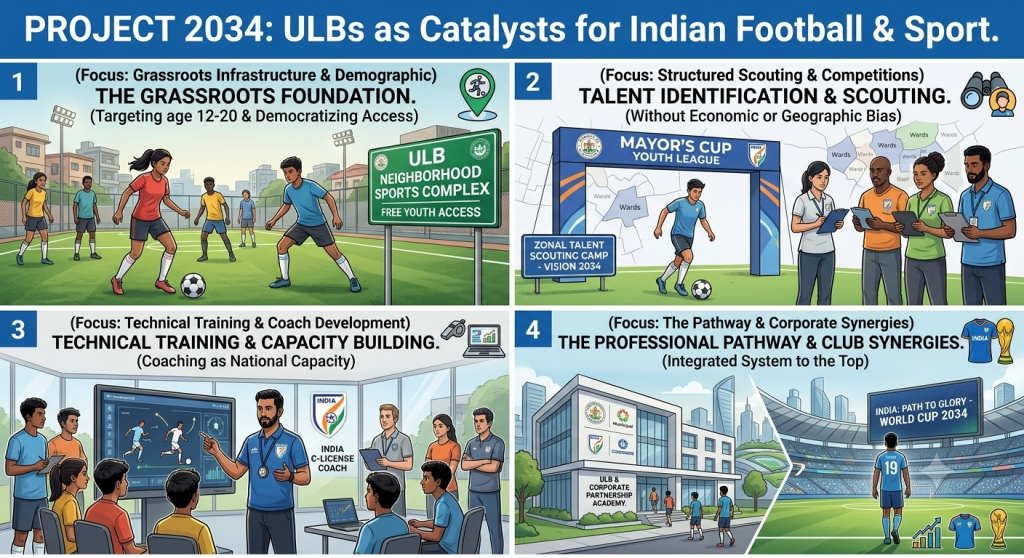
- The Mayor’s Cup: Transition from short, knockout tournaments to a structured, 4-6 month long weekend league at the ward level (U-12, U-15, U-17 categories).
- School Integration: Municipalities run thousands of schools. Integrate physical education with specific talent scouting programs, maintaining a digital National Player Database at the city level, as recommended by Kant.
3. Capacity Building of Coaches
A massive investment in coaches is required. “Coach-education should be taken as national capacity building.”
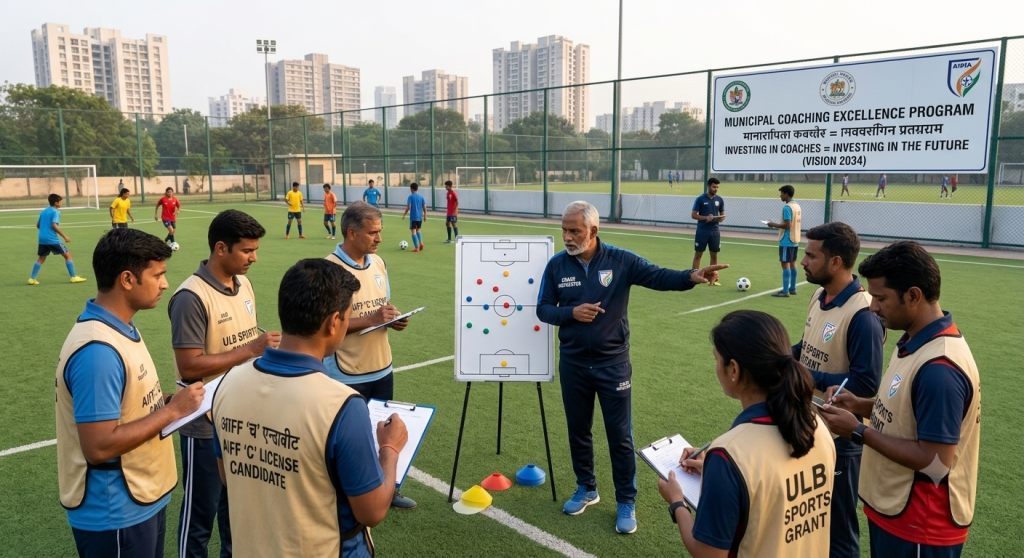
- Municipal Coaching Grants: ULBs should offer scholarships or grants to local former players and sports enthusiasts to complete AIFF D/C License or NIS certification courses.
- Employment: Hire these certified coaches to manage the newly upgraded ward pitches, ensuring kids get professional technical guidance, not just supervised playtime.
4. Fostering a PPP Eco-System
Corporate support must go beyond “small sponsorships.” ULBs are uniquely positioned to connect local businesses with local sports.
- Adopt-a-Ground Scheme: Allow local corporates to adopt municipal grounds. In return for branding rights, they maintain the turf and fund the salary of the licensed coach.
- Collaboration with Professional Clubs: As Kant states, clubs must be the primary medium for player development. ULBs should offer long-term land leases to ISL/I-League clubs to set up residential academies, provided they reserve a quota for local municipal talent.
Conclusion
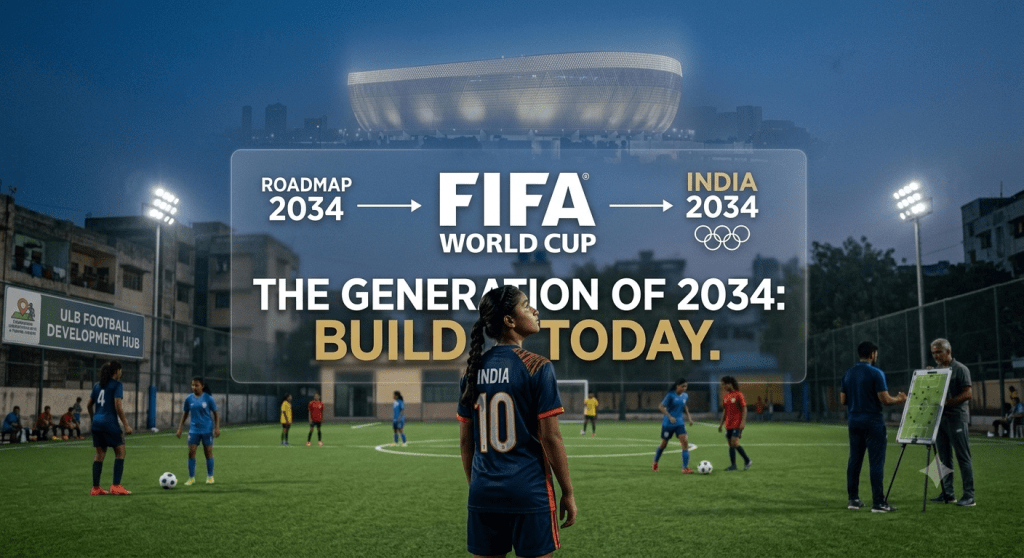
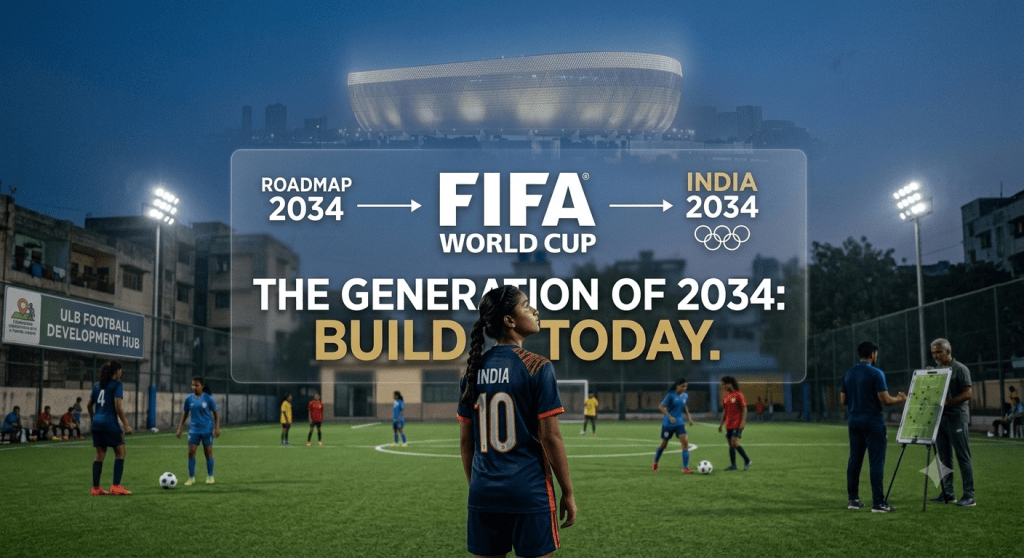
By treating 2034 as a strict deadline, ULBs can act as the foundational bedrock of the integrated system Kant envisions. Transforming urban spaces into fertile grounds for sports will ensure that the 12-year-old playing on a municipal pitch today is wearing the India jersey at the 2034 World Cup.


Leave a Reply