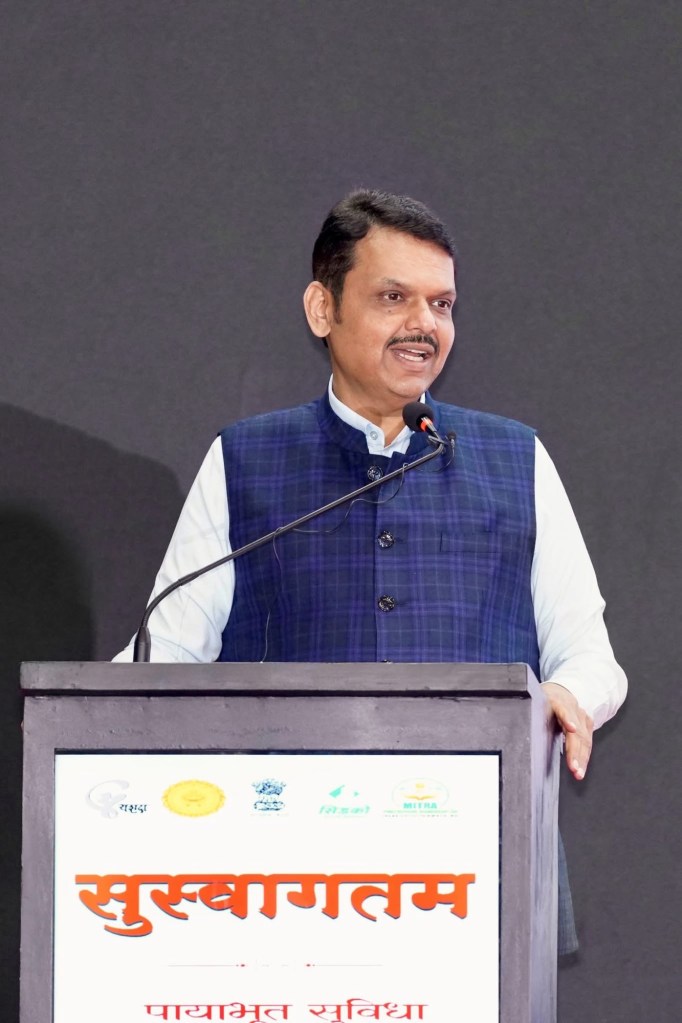
Building Tomorrow: Maharshtra CM Mr. Devendra Fadnavis on Infrastructure Development and Project Management in Maharashtra

When it comes to the growth trajectory of Maharashtra—and indeed India as a whole—infrastructure development sits at the very heart of progress. At the recent Capacity Building Workshop for Infrastructure Projects held at YASHADA, Pune, Mr. Devendra Fadnavis shared his vision, experience, and practical advice on how to design, execute, and sustain infrastructure projects for maximum impact.

His insights covered the full spectrum—from tendering systems to risk management—laying out a blueprint for project success in both urban and rural contexts.

Why Infrastructure Matters for Maharashtra and India

Infrastructure is the backbone of economic growth.

For the Indian economy: Well-planned infrastructure reduces logistics costs, boosts industrial productivity, and strengthens competitiveness in global markets. For Maharashtra: The state’s position as India’s financial and industrial hub demands reliable transportation, efficient logistics, robust energy systems, and modern urban facilities. For urban areas: Cities like Mumbai, Pune, and Nagpur need mass transit, smart water systems, waste management, and affordable housing to keep pace with population growth and economic activity.

As Mr. Fadnavis noted, a single infrastructure project can trigger a chain reaction—creating jobs, attracting investment, improving quality of life, and spurring further development.

Key Factors for Successful Infrastructure Projects

1. Strong Project Management and Leadership

Effective planning, accurate cost estimation, and committed leadership are non-negotiable. Project managers must see themselves not just as administrators, but as project owners—accountable for results and committed to the vision. Leadership also means anticipating risks, making timely decisions, and keeping teams aligned to project goals.

2. Robust Tendering and Contractor Selection

Tender systems must evolve with market realities—static or outdated processes lead to failures. Correct tender design ensures commercial viability and reduces disputes. Selecting the right contractor requires evaluating both technical capability and financial health. Tender conditions must adapt to changes in technology, materials, and pricing trends.

3. Understanding the Project Lifecycle

Projects must be viewed as a continuous cycle—planning, execution, monitoring, troubleshooting, and evaluation. Delays and unforeseen issues are inevitable; problem-solving skills are essential. A project manager’s role extends beyond delivery to handling public grievances and ensuring smooth operations after completion.

4. Addressing Regulatory and Land Acquisition Challenges

Land acquisition is often the biggest bottleneck—clear protocols and transparent communication are critical. Understanding legal frameworks and ensuring compliance reduces delays and litigation risks. Early engagement with stakeholders helps avoid conflicts later.

5. Ensuring Financial Stability

Accurate financial planning is as important as engineering design. Resource allocation should balance capital expenditure with operational sustainability. Project financing strategies must be realistic, factoring in market conditions, interest rates, and repayment schedules.

6. Collaboration and Communication

Infrastructure projects involve multiple stakeholders—government agencies, contractors, financiers, communities. Transparent communication builds trust and prevents misunderstandings. Collaboration ensures that technical, financial, and social objectives move in sync.

7. Monitoring and Evaluation

Real-time monitoring of timelines, budgets, and quality keeps projects on track. Evaluation after completion helps identify lessons for future projects. Accurate data collection is essential for performance measurement.

8. Risk Management

Every project faces risks—cost overruns, material shortages, regulatory changes, environmental issues. Risk management plans should be in place from the start, with clear contingency measures. As Mr. Fadnavis stressed, the ability to foresee and mitigate risks often determines project success.

The Bigger Picture – Why Infrastructure is the Engine of Growth

Mr. Fadnavis’s message was clear: infrastructure is not just about roads and bridges—it’s about economic acceleration, social equity, and quality of life.

For rural areas: Roads and irrigation bring markets closer, improve farm incomes, and reduce migration pressures. For urban areas: Metro systems, smart utilities, and housing projects make cities more livable and attractive to investors. For the state economy: Infrastructure is a magnet for industries, IT parks, logistics hubs, and tourism.

In his vision, Maharashtra’s development strategy must integrate world-class project management practices with an unwavering focus on transparency, accountability, and public benefit.

Conclusion – Building with Purpose

Infrastructure projects are complex, but when guided by clear goals, strong leadership, and disciplined execution, they become transformative forces. As Mr. Devendra Fadnavis pointed out, every bridge, every road, every metro line is more than concrete and steel—it’s a promise to the people of Maharashtra for a better, more prosperous tomorrow.

Compiled by: Vipin Paliwal

विकसित महाराष्ट्राच्या पायाभरणी साठी – महाराष्ट्रातील पायाभूत सुविधा विकास आणि प्रकल्प व्यवस्थापनाबाबत मा. मुख्यमंत्री श्री. देवेंद्र फडणवीस यांचे मार्गदर्शन

महाराष्ट्राचा – आणि खरं तर भारताचा – विकास मार्ग वेगाने गाठायचा असेल, तर त्याचा पाया पायाभूत सुविधा विकासात आहे. यशदा, पुणे येथे झालेल्या Capacity Building Workshop for Infrastructure Projects मध्ये मा. देवेंद्र फडणवीस यांनी पायाभूत सुविधा प्रकल्पांचे नियोजन, अंमलबजावणी आणि देखभाल याबाबत आपले अनुभव व दृष्टिकोन मांडले.

त्यांच्या मार्गदर्शनात निविदा प्रणालीपासून (Tendering System) ते जोखमीचे व्यवस्थापन (Risk Management) यापर्यंत सर्व टप्प्यांचा सविस्तर ऊहापोह झाला आणि प्रकल्प यशस्वी होण्यासाठी एक स्पष्ट आराखडा कसा असावा याचे मार्गदर्शन केले.

महाराष्ट्र आणि भारतासाठी पायाभूत सुविधा का महत्त्वाच्या?

पायाभूत सुविधा म्हणजे अर्थव्यवस्थेचा कणा.

भारतीय अर्थव्यवस्थेसाठी: योग्य नियोजन असलेली पायाभूत सुविधा वाहतूक खर्च कमी करते, उद्योगक्षमता वाढवते आणि जागतिक बाजारपेठेत स्पर्धात्मकता वाढवते. महाराष्ट्रासाठी: वित्तीय आणि औद्योगिक केंद्र असल्याने, महाराष्ट्राला विश्वासार्ह वाहतूक व्यवस्था, कार्यक्षम लॉजिस्टिक्स, सक्षम ऊर्जा यंत्रणा आणि आधुनिक शहरी सोयी-सुविधा आवश्यक आहेत. शहरी भागासाठी: मुंबई, पुणे, नागपूरसारख्या शहरांना लोकसंख्या आणि आर्थिक वाढीच्या वेगाशी जुळवून घेण्यासाठी मेट्रो, पाणीपुरवठा व्यवस्था, कचरा व्यवस्थापन आणि स्वस्त गृहयोजना आवश्यक आहेत.

मा. फडणवीस यांनी सांगितल्याप्रमाणे, एक चांगला पायाभूत सुविधा प्रकल्प अनेक सकारात्मक बदलांना सुरुवात करतो – रोजगारनिर्मिती, गुंतवणूक आकर्षण, जीवनमान सुधारणा आणि पुढील विकासाला चालना.

यशस्वी पायाभूत सुविधा प्रकल्पांसाठी महत्त्वाचे घटक

१. मजबूत प्रकल्प व्यवस्थापन आणि नेतृत्

योग्य नियोजन, अचूक खर्च अंदाज आणि ठाम नेतृत्व अनिवार्य. प्रकल्प व्यवस्थापकांनी स्वतःला केवळ प्रशासक नव्हे तर प्रकल्प आपला समजून काम करावे. नेतृत्व म्हणजे जोखीम ओळखणे, वेळेवर निर्णय घेणे आणि टीमला उद्दिष्टांशी जोडून ठेवणे.

२. निविदा प्रक्रिया आणि ठेकेदार निवड

निविदा प्रणाली बाजारातील बदलांनुसार सुधारली पाहिजे; जुनी पद्धत अपयशाला कारणीभूत ठरते. योग्य निविदा डिझाइनमुळे व्यावसायिक व्यवहार्यता टिकते आणि वाद कमी होतात. योग्य ठेकेदार निवडताना तांत्रिक क्षमता व आर्थिक स्थैर्य तपासणे आवश्यक. निविदा अटींमध्ये तंत्रज्ञान, साहित्य व किंमत प्रवाहातील बदलांचा विचार असावा.

३. प्रकल्पाचा जीवनचक्र समजून घेणे

प्रकल्प हे सतत चालणारे चक्र आहे – नियोजन, अंमलबजावणी, देखरेख, समस्या निवारण आणि मूल्यांकन. विलंब आणि अनपेक्षित अडचणी अपरिहार्य; त्यामुळे समस्यांचे समाधान करण्याची क्षमता आवश्यक. प्रकल्प पूर्ण झाल्यावरही नागरिकांच्या तक्रारी सोडवणे आणि सेवा सुरळीत चालू ठेवणे ही व्यवस्थापकाची जबाबदारी आहे.

४. नियमावली आणि जमीन अधिग्रहणातील आव्हाने

जमीन अधिग्रहण हा मोठा अडथळा; स्पष्ट प्रक्रिया आणि पारदर्शक संवाद अत्यावश्यक. कायदेशीर चौकट समजून घेणे आणि नियमांचे पालन केल्यास विलंब व वाद टाळता येतात. सुरुवातीपासूनच हितधारकांना सहभागी करून घेणे फायदेशीर ठरते.

५. आर्थिक स्थैर्य सुनिश्चित करणे

अचूक आर्थिक नियोजन हे अभियांत्रिकी डिझाइनइतकेच महत्त्वाचे. भांडवली खर्च आणि कार्यकारी खर्च यामध्ये संतुलन ठेवणे आवश्यक. वित्तपुरवठा धोरणे वास्तववादी असावीत, ज्यात बाजारस्थिती, व्याजदर आणि परतफेड वेळापत्रक विचारात घेतले जाते.

६. सहकार्य आणि संवाद

पायाभूत सुविधा प्रकल्पांत शासन, ठेकेदार, वित्तपुरवठादार आणि समुदाय असे अनेक घटक सहभागी असतात. पारदर्शक संवाद विश्वास निर्माण करतो आणि गैरसमज टाळतो. सहकार्यामुळे तांत्रिक, आर्थिक आणि सामाजिक उद्दिष्टे एकत्रितपणे साध्य होतात.

७. देखरेख आणि मूल्यांकन

वेळापत्रक, बजेट आणि गुणवत्तेची रिअल-टाइम तपासणी केल्यास प्रकल्प योग्य मार्गावर राहतो. प्रकल्प पूर्ण झाल्यानंतर मूल्यांकनातून भविष्यातील प्रकल्पांसाठी धडे मिळतात. अचूक डेटा संकलन हे कार्यक्षमता मापनासाठी महत्त्वाचे आहे.

८. जोखमीचे व्यवस्थापन

प्रत्येक प्रकल्पात जोखीमेचे प्रकार असतात – खर्च वाढ, साहित्य टंचाई, नियम बदल, पर्यावरणीय अडचणी. जोखीम व्यवस्थापन आराखडा सुरुवातीपासून असावा, त्यात आकस्मिक उपाययोजना स्पष्ट असाव्यात. मा. फडणवीस यांनी अधोरेखित केले की, जोखीम आधीच ओळखून त्यावर उपाय करणे हे प्रकल्पाच्या यशाचे खरे रहस्य आहे.

विकासाचा इंजिन म्हणून पायाभूत सुविधा

मा. फडणवीस यांचा संदेश स्पष्ट होता – पायाभूत सुविधा म्हणजे फक्त रस्ते व पूल नाहीत, तर आर्थिक वाढ, सामाजिक समता आणि जीवनमान सुधारणा यांचे साधन आहेत.

ग्रामीण भागासाठी: रस्ते व सिंचनामुळे बाजारपेठ जवळ येते, शेतमालाचे उत्पन्न वाढते, स्थलांतराचा दबाव कमी होतो. शहरी भागासाठी: मेट्रो, स्मार्ट युटिलिटीज, गृहनिर्माण यामुळे शहरं अधिक राहण्यायोग्य होतात व गुंतवणूकदारांना आकर्षक वाटतात. राज्याच्या अर्थव्यवस्थेसाठी: पायाभूत सुविधा उद्योग, IT पार्क, लॉजिस्टिक हब आणि पर्यटनासाठी चुंबकासारखे काम करतात.

निष्कर्ष – उद्देशपूर्ण बांधणी

पायाभूत सुविधा प्रकल्प जटिल असतात, पण स्पष्ट उद्दिष्टे, मजबूत नेतृत्व आणि शिस्तबद्ध अंमलबजावणी असली तर ते परिवर्तन घडवणारे ठरतात. मा. देवेंद्र फडणवीस यांनी सांगितल्याप्रमाणे, प्रत्येक पूल, प्रत्येक रस्ता, प्रत्येक मेट्रो लाईन ही केवळ काँक्रीट व पोलादाची रचना नसून – ती महाराष्ट्रातील जनतेला उज्ज्वल आणि समृद्ध उद्याचे वचन असते.

संकलन ,

विपिन पालीवाल.

PPP Model in India and Urban Areas – Importance, Process, and Key Success Factors

Based on the guidance of Mr. Ajay Saxena – Field Expert, Head PPP Cell, MITRA

What is PPP and Why is it Needed?

Public–Private Partnership (PPP) is a collaboration between the government and the private sector where both work together to provide public infrastructure or services.

In this model:

Government – Policy, approvals, land availability, monitoring Private Partner – Fund mobilization, construction, operation, and maintenance

Why it’s needed:

To reduce pressure on public finances To complete projects faster To utilize private sector’s technical expertise and management efficiency To ensure long-term maintenance of assets

Examples: Pune Metro, Delhi–Gurugram Expressway, Mumbai Monorail – all implemented under PPP models.

PPP Project Life Cycle 

Planning – Prepare DPR, funding plan, feasibility assessment Financial Closure – Secure debt and equity, open escrow account Construction Phase – Complete work in 2–3 years; delays reduce revenue years and attract penalties Operations Phase – Revenue generation, service delivery, maintenance End of Concession Period – Project handed back to government or renewed

Concession Period 

Determined based on asset life, not just cost recovery. Example: 2 years construction + 20 years revenue = 22 years concession period. If road capacity is exhausted in 12 years, concession cannot exceed 12 years.

VGF (Viability Gap Funding) 

Used when project costs cannot be recovered within the defined concession period. Provided after equity is exhausted and in proportion to loan disbursement. Objective – Ensure the required IRR (Internal Rate of Return) to make the project viable for investors.

Key Factors to Keep in Mind for PPP Projects

1. Clear Agreements and Documentation

Appointed Date is not just after LOA but after both parties fulfill pre-conditions (land handover, financial closure). Contracts should clearly define scope of work, timelines, payment terms, penalties, and dispute resolution mechanisms.

2. Financial Feasibility – NPV, IRR, WACC

NPV (Net Present Value)

Meaning: Present value of all future cash flows, adjusted for the time value of money.

Formula:

NPV = \sum_{t=1}^{n} \frac{CF_t}{(1 + r)^t} – C_0

CF_t = Expected cash flow in year t r = Discount rate (usually WACC) C_0 = Initial investment Decision Rule: NPV > 0 → Project is profitable

Example:

Investment = ₹1,000 Cr, annual revenue for 5 years = ₹300 Cr, Discount rate = 10% → NPV = ₹137 Cr (positive, project viable).

IRR (Internal Rate of Return)

Meaning: The discount rate at which NPV = 0. Represents the project’s internal profitability.

Formula:

0 = \sum_{t=1}^{n} \frac{CF_t}{(1 + IRR)^t} – C_0

Decision Rule:

IRR > WACC → Accept IRR < WACC → Reject

Example:

If IRR = 14% and WACC = 11.8%, IRR > WACC → Project is financially attractive.

WACC (Weighted Average Cost of Capital)

Meaning: Average cost of debt and equity, used as a discount rate for NPV.

Formula:

WACC = \frac{(Kd \times D) + (Ke \times E)}{D + E}

Kd = Cost of debt Ke = Cost of equity D = Debt amount E = Equity amount

Example:

Kd = 10%, Ke = 16%, Debt : Equity = 70 : 30

WACC = \frac{(0.10 \times 70) + (0.16 \times 30)}{100} = 11.8\%

PPP Decision Rule:

WACC = Minimum acceptable return If NPV > 0 and IRR > WACC → Approve the project Else → Reject

3. Construction Phase Planning

Timely completion is critical; delays reduce concession revenue period and profitability.

4. Monitoring and Quality Control

Regular inspections, quality checks, safety protocols, and environmental compliance are essential.

5. Revenue and Tariff Planning

Tariffs (tolls/user charges) must be transparent and citizen-friendly. Annual escalation rates (e.g., WPI-based) should be pre-defined in contracts.

Urban PPP Project Examples

Pune Metro – Reduced traffic congestion, improved public transport capacity. Navi Mumbai International Airport – Land and approvals by government, funding and execution by private partner. Nagpur Waste-to-Energy Plant – BOT model project turning waste into electricity.

Conclusion

PPP is not just a contract—it’s a long-term partnership. With accurate financial calculations (NPV, IRR, WACC), clear contract terms, and a focus on public interest, PPP projects can accelerate infrastructure growth, improve urban services, and drive India’s economic development.

भारतातील आणि शहरी भागातील PPP मॉडेल – गरज, प्रक्रिया आणि यशासाठी आवश्यक बाबी .

श्री. अजय सक्सेना Field Expert, Head PPP Cell, MITRA , यांच्या मार्गदर्शनावर आधारित –

PPP म्हणजे काय आणि का गरजेचे आहे?

PPP (Public–Private Partnership) म्हणजे सरकारी आणि खाजगी क्षेत्र यांच्यातील अशी भागीदारी, ज्यात दोघे मिळून सार्वजनिक पायाभूत सुविधा किंवा सेवा पुरवतात. यात:

सरकार – धोरण, परवानग्या, जमिनीची उपलब्धता, देखरेख खाजगी भागीदार – निधी उभारणी, बांधकाम, संचालन आणि देखभाल

गरज का?

सरकारी निधीवरचा ताण कमी करणे प्रकल्प जलद पूर्ण करणे खाजगी क्षेत्राचे तांत्रिक ज्ञान आणि व्यवस्थापन क्षमता वापरणे दीर्घकालीन देखभाल सुनिश्चित करणे

उदाहरण: पुणे मेट्रो, दिल्ली-गुरुग्राम एक्सप्रेसवे, मुंबई मोनोरेल – हे PPP स्वरूपात उभारलेले प्रकल्प आहेत.

PPP प्रकल्प जीवनचक्र 

योजना (Planning) – DPR तयार करणे, निधी योजना, व्यवहार्यता तपासणी आर्थिक बंदी (Financial Closure) – कर्ज व इक्विटी निश्चित करणे, एस्क्रो खाते उघडणे बांधकाम टप्पा – 2–3 वर्षात काम पूर्ण करणे; विलंब झाल्यास महसूल कालावधी कमी होतो व दंड बसतो संचालन टप्पा – महसूल निर्मिती, सेवा पुरवठा, देखभाल कन्सेशन कालावधी संपल्यावर – प्रकल्प सरकारकडे परत किंवा नूतनीकरण

कन्सेशन कालावधी (Concession Period) 

प्रकल्पाचा आयुष्यकाल पाहून ठरवतात, फक्त खर्च वसुलीवर नाही. उदा. 2 वर्ष बांधकाम + 20 वर्ष महसूल = 22 वर्ष कन्सेशन. जर रस्त्याची क्षमता 12 वर्षात संपत असेल, तर कन्सेशन 12 वर्षांपेक्षा जास्त नसावे.

VGF (Viability Gap Funding) 

जेव्हा प्रकल्पाचा खर्च ठरलेल्या कालावधीत परत मिळत नाही, तेव्हा सरकार भांडवली मदत करते. VGF इक्विटी खर्च झाल्यावर आणि कर्जाच्या प्रमाणात दिला जातो. उद्देश – आवश्यक IRR (Internal Rate of Return) साध्य करणे, जेणेकरून गुंतवणूकदारासाठी प्रकल्प फायदेशीर राहील.

PPP प्रकल्प करताना लक्षात ठेवावयाच्या महत्त्वाच्या गोष्टी

1. स्पष्ट करार आणि कागदपत्रे

Appointed Date फक्त LOA नंतरची नसून, दोन्ही पक्षांनी आपापली पूर्व-शर्ती पूर्ण केल्यानंतर असावी. करारात कामाचे स्वरूप, वेळापत्रक, पेमेंट पद्धत, दंड आणि वाद निराकरणाची पद्धत स्पष्ट असावी.

2. आर्थिक व्यवहार्यता (Financial Feasibility)

PPP प्रकल्पाची नफा क्षमता तपासण्यासाठी तीन मुख्य मापदंड वापरतात: NPV, IRR आणि WACC.

NPV (Net Present Value – निव्वळ वर्तमान मूल्य)

अर्थ: भविष्यात मिळणाऱ्या सर्व रोख प्रवाहांचे आजच्या तारखेतील मूल्य. सूत्र: NPV = \sum_{t=1}^{n} \frac{CF_t}{(1 + r)^t} – C_0 CF_t = वर्ष t मधील रोख प्रवाह, r = Discount Rate (सामान्यतः WACC), C_0 = प्रारंभिक गुंतवणूक. निर्णय: NPV > 0 → प्रकल्प फायदेशीर.

उदाहरण:

₹1000 कोटी गुंतवणूक, पुढील 5 वर्षे दरवर्षी ₹300 कोटी उत्पन्न, Discount Rate = 10% → NPV = ₹137 कोटी (सकारात्मक, प्रकल्प चांगला).

IRR (Internal Rate of Return – अंतर्गत परतावा दर)

अर्थ: असा Discount Rate ज्यावर NPV = 0 होतो. सूत्र: 0 = \sum_{t=1}^{n} \frac{CF_t}{(1 + IRR)^t} – C_0 निर्णय: IRR > WACC → स्वीकारावे; IRR < WACC → नाकारावे.

उदाहरण:

वरील प्रकल्पासाठी IRR = 14%, WACC = 11.8% → IRR > WACC → प्रकल्प फायदेशीर.

WACC (Weighted Average Cost of Capital – भांडवलाचा भारित सरासरी खर्च)

अर्थ: कर्ज व इक्विटीचा सरासरी खर्च, जो Discount Rate म्हणून वापरतात. सूत्र: WACC = \frac{(Kd \times D) + (Ke \times E)}{D + E} Kd = कर्जावरील व्याजदर, Ke = इक्विटीवरील अपेक्षित परतावा, D = कर्ज रक्कम, E = इक्विटी रक्कम.

उदाहरण:

Kd = 10%, Ke = 16%, Debt : Equity = 70 : 30

WACC = \frac{(0.10 \times 70) + (0.16 \times 30)}{100} = 11.8\%

PPP निर्णय नियम:

WACC = किमान अपेक्षित परतावा NPV > 0 आणि IRR > WACC → प्रकल्प मंजूर अन्यथा → प्रकल्प नाकारावा

3. बांधकाम टप्प्याचे नियोजन

काम वेळेत पूर्ण करणे आवश्यक. विलंब झाला तर महसूल कालावधी कमी होतो व नफा घटतो.

4. देखरेख व गुणवत्ता नियंत्रण

सतत तपासणी, गुणवत्ता तपासणी, सुरक्षा आणि पर्यावरणीय मानके पाळणे गरजेचे.

5. महसूल आणि शुल्क नियोजन

टोल/युजर चार्ज पारदर्शक असावा; वार्षिक वाढीचा दर करारात नमूद करावा.

निष्कर्ष

PPP हा फक्त कराराचा विषय नाही, तर दीर्घकालीन भागीदारीचा पाया आहे. योग्य आर्थिक गणित (NPV, IRR, WACC), स्पष्ट करार अटी आणि सार्वजनिक हित लक्षात ठेवून काम केल्यास PPP प्रकल्प शहरांचा विकास आणि भारतीय अर्थव्यवस्था दोन्हीला गती देऊ शकतात.

प्रकल्प यशस्वी होण्यासाठी योग्य खरेदी प्रक्रिया – श्री. आर. रामना यांचे मार्गदर्शन

पायाभूत सुविधा उभारणीच्या (रस्ते, पूल, जलवाहिन्या, सार्वजनिक वाहतूक इ.) जगात खरेदी प्रक्रिया (Procurement Process) ही फक्त एक कागदी कारवाई नसते, तर ती संपूर्ण प्रकल्पाच्या यशाचा पाया असते. श्री. आर. रामना, डायरेक्टर ( नियोजन) मुंबई मेट्रो आणि शहरी वाहतूक आणि पायाभूत सुविधा क्षेत्रात ३५ वर्षांचा अनुभव असलेले ज्येष्ठ तज्ज्ञ, यांनी यशदा येथे झालेल्या सत्रात खरेदी प्रक्रियेचे महत्त्व, त्यातील टप्पे, येणारी आव्हाने आणि त्यावरचे उपाय याबाबत सविस्तर माहिती दिली.

त्यांच्या म्हणण्यानुसार, प्रकल्पाची सुरुवात जिथे होते, तिथेच यशाची बीजे पेरली जातात. चुकीचा ठेकेदार निवडला, करारात किंवा निविदा कागदपत्रात आवश्यक अटी टाकल्या नाहीत, तर उशीर, जास्त खर्च, आणि निकृष्ट दर्जा यासारखे प्रश्न निर्माण होतात.

१. खरेदीचे प्रकार आणि पद्धती

श्री. रामना यांनी खरेदी प्रक्रियेतील वेगवेगळे प्रकार समजावून सांगितले:

पूर्ण सरकारी निधीतले प्रकल्प – संपूर्ण खर्च सरकारकडून केला जातो. यात राष्ट्रीय तसेच आंतरराष्ट्रीय निधीचा (जसे वर्ल्ड बँक, एडीबी) वापर होऊ शकतो. सार्वजनिक-खाजगी भागीदारी (PPP) – सरकार आणि खाजगी क्षेत्र मिळून प्रकल्प राबवतात. यात BOT, हप्त्याने पेमेंट किंवा अन्यूइटी मॉडेल्स वापरले जातात. खाजगी प्रकल्प – पूर्णपणे खाजगी कंपन्यांनी स्वतःच्या पैशातून केलेले प्रकल्प.

२. PPP आणि सार्वजनिक प्रकल्पांची प्रक्रिया

PPP प्रकल्पांमध्ये खालील टप्पे असतात:

पूर्व-पात्रता तपासणी (Pre-qualification – गरजेनुसार) निविदा मागवणे (RFP) पॅकेजेसनुसार बोली प्रक्रिया बोली मूल्यांकन आणि पुरस्कार (LoA) सवलत करार (Concession Agreement) आर्थिक बंदी (Financial Closure) कामाची अंमलबजावणी आणि मधल्या टप्प्यांचे पेमेंट प्रकल्प पूर्ण झाल्यावर ऑपरेशन व देखभाल

पूर्ण निधीच्या सार्वजनिक प्रकल्पांमध्ये करार प्रकार वेगवेगळे असतात – सल्लागार सेवा, बांधकाम, यंत्रसामग्री पुरवठा, O&M सेवा, मनुष्यबळ पुरवठा इत्यादी.

३. निविदा कागदपत्रांमध्ये असावयाच्या आवश्यक गोष्टी

अनेकदा निविदा कागदपत्रांमध्ये काही महत्त्वाच्या गोष्टी टाकल्या जात नाहीत. उदा. साइट स्वच्छता, लँडस्केपिंग, कचरा व्यवस्थापन. यामुळे नंतर अडचणी निर्माण होतात.

त्यामुळे कागदपत्रांमध्ये हे मुद्दे असणे आवश्यक आहे:

कामाचे स्वरूप – काय काम करायचे, त्याची व्याप्ती वेळापत्रक व पेमेंट अटी – कोणत्या टप्प्यावर किती पेमेंट मिळेल सुरक्षा, आरोग्य व पर्यावरण नियम (SHE) – अपघात टाळण्यासाठी उपाय, सुरक्षितता पुस्तिका तांत्रिक व आर्थिक पात्रता – ठेकेदाराकडे आवश्यक साधनसंपत्ती आणि पैसा आहे का नियोक्त्याच्या जबाबदाऱ्या – जमीन उपलब्ध करणे, परवानग्या मिळवणे गुणवत्ता नियंत्रण – मानके कोणती पाळायची, गुणवत्ता तपासणी पद्धती

४. करार आणि बोली प्रक्रिया

बोली प्रक्रियेतील टप्पे:

निविदा जाहीर करणे (NIT) पूर्व-बोली बैठक (Pre-bid meeting) आवश्यक असल्यास सुधारणा (Corrigenda/Addenda) बोली सादर करणे बोली मूल्यांकन (तांत्रिक + आर्थिक) वाटाघाटी करून करार अंतिम करणे करार करणे आणि काम सुरू करणे

पूर्व-पात्रता (PQ) केल्याने केवळ सक्षम बोलीदार सहभागी होतात, पण स्पर्धा कमी होण्याची शक्यता असते.

५. आरोग्य, सुरक्षा आणि पर्यावरण (SHE) प्राधान्य

श्री. रामना यांनी सांगितले की, कामादरम्यान अपघात टाळण्यासाठी आणि पर्यावरणाचे रक्षण करण्यासाठी स्पष्ट नियम असावेत.

सर्व कामगारांसाठी सुरक्षा पुस्तिका कायद्यांचे पालन कचरा व्यवस्थापन योजना पर्यावरण परवानग्या

अलीकडील न्यायालयीन निर्णयांनुसार, कामगार कामावर येताना झालेल्या अपघातांची जबाबदारीही नियोक्त्यावर असू शकते, त्यामुळे करारात हे स्पष्टपणे लिहिलेले असावे.

६. खरेदी प्रक्रियेत येणारी आव्हाने

पात्रता अटी जास्त कडक ठेवल्यास कमी बोलीदार मिळणे ठेकेदाराची आर्थिक क्षमता आणि साधनसंपत्ती तपासणे संयुक्त भागीदारी प्रकल्पात सर्व भागीदार खरंच प्रकल्पासाठी कटिबद्ध आहेत का हे तपासणे वाद सोडवण्यासाठी स्पष्ट प्रक्रिया बांधकामादरम्यान वाद त्वरित मिटवणे

७. श्री. रामना यांचा शेवटचा संदेश

“खरेदी प्रक्रिया ही फक्त वस्तू किंवा सेवा घेण्याची पद्धत नाही. ती प्रकल्पाचा पाया आहे. पाया मजबूत असेल, तर संपूर्ण प्रकल्प सुरक्षित आणि यशस्वी होतो,” असे श्री. रामना यांनी सांगितले. त्यांनी सर्वांना सल्ला दिला की, दस्तऐवज स्पष्ट ठेवा, प्रक्रिया पारदर्शक ठेवा आणि सतर्क राहा – हाच यशाचा मंत्र आहे.

Procurement Excellence: Insights from Mr. R. Ramana , Director ( Planning ) Mumbai Metro

In the dynamic world of infrastructure development, procurement is not just a procedural formality—it is the foundation upon which project success is built. Mr. R. Ramana, Director ( Planning ) Mumbai Metro , a veteran with over 35 years of experience in the urban transport and infrastructure sector, recently shared his deep insights on procurement processes, challenges, and best practices during a session at YASHADA. His observations provide a masterclass in avoiding pitfalls and ensuring smooth project execution.

Procurement as the Cornerstone of Success

According to Mr. Ramana, the procurement stage is where projects are won or lost. Selecting the wrong contractor or leaving gaps in tender documents can lead to delays, cost overruns, and compromised quality. He emphasized the importance of specialized procurement knowledge, especially in today’s complex contractual and financial environments.

Key Procurement Models

Mr. Ramana highlighted different project implementation options:

Fully Funded Public Projects (Domestic/Bilateral/Multilateral) Public-Private Partnerships (PPP) – including BOT, annuity, and deferred payment models Private Projects – funded and executed entirely by private entities

Each model demands tailored processes, documentation, and financial structuring. For example, PPP projects require pre-qualification, detailed Requests for Proposal (RFP), bid evaluations, concession agreements, and financial closure before execution.

The Importance of Robust Tender Documents

One recurring challenge in procurement, as noted by Mr. Ramana, is incomplete tender documentation. Omissions—such as failing to specify landscaping, site cleanliness, or waste management—can lead to disputes and poor outcomes. Every bid document must clearly define:

Technical and financial requirements Scope, deliverables, and timelines Safety, health, and environmental standards Payment terms and milestones Employer responsibilities (e.g., land provision, clearances)

Contracts and Bidding Processes

Procurement is not one-size-fits-all. Contracts may include consultancy services, civil construction, plant and equipment supply, O&M services, or manpower supply. Bid processes involve multiple steps—notice inviting tenders, pre-bid meetings, corrigenda, bid submission, evaluation, negotiations, and final contract agreements.

While pre-qualification can ensure only competent bidders participate, Mr. Ramana cautioned that it may also restrict competition and, at times, lead to regret over missed opportunities.

Health, Safety, and Environmental (SHE) Priorities

Modern procurement must integrate safety and sustainability. Mr. Ramana stressed the inclusion of safety manuals, adherence to SHE protocols, and compliance with national/local laws. Recent court rulings extending employer liability for workers traveling to job sites further underline the need for clarity in tender stipulations.

Managing Procurement Challenges

Among the recurring issues in procurement are:

Limited participation due to stringent PQ criteria Assessing the financial liquidity of contractors Ensuring joint venture partners’ commitment Preventing misuse of dispute resolution clauses Resolving disputes promptly during construction

Final Takeaway

Mr. Ramana concluded by reminding procurement professionals that vigilance, thorough documentation, and fairness are the keys to successful project delivery. “Procurement,” he said, “is not just about buying—it’s about building the foundation for the entire project lifecycle.”